When discussing the construction industry, understanding the "Parts of Tower Crane" is essential. Tower cranes are vital for high-rise buildings and large-scale projects. Their efficiency and capability come from specific components that work in harmony. Each part plays a crucial role in lifting, moving, and positioning heavy loads safely.
Tower cranes consist of several key components, including the mast, jib, and hook. The mast provides stability; the jib extends out to lift materials. The hook is where objects attach during the lifting process. Each of these parts must meet high standards for performance and safety. Knowledge about these elements can help professionals make informed decisions on crane operation.
While tower cranes are robust, they require maintenance and attention. Overuse or neglect can lead to accidents or inefficiencies. Understanding their parts is not just about operation; it’s about ensuring safety and reliability on the job site. By recognizing the importance of each component, operators can enhance their performance and minimize risks.
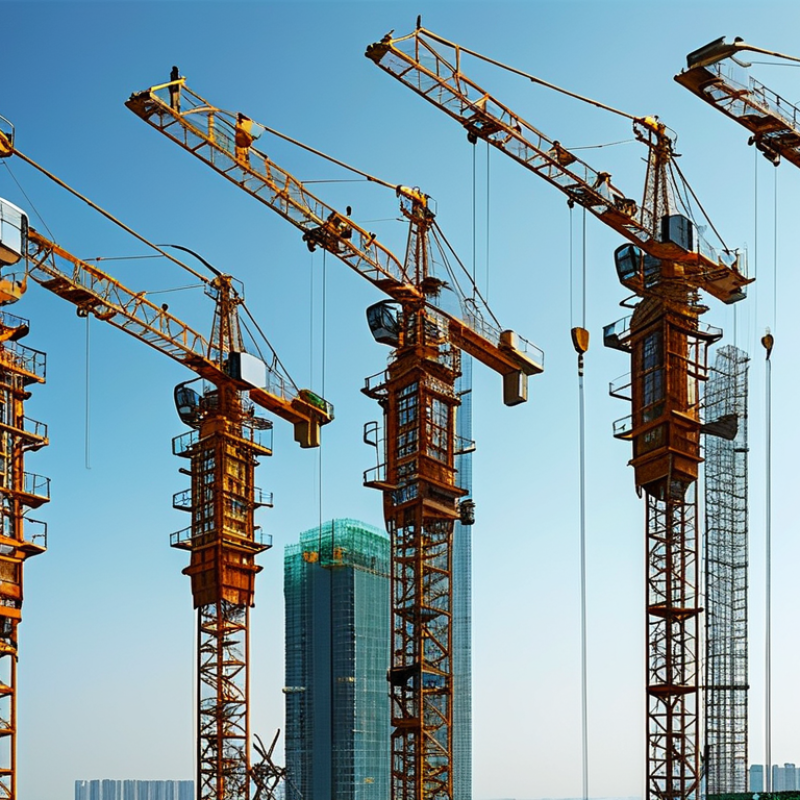
Tower cranes are vital in construction. Understanding their key components is essential for anyone involved in the industry. These cranes possess unique parts that work in harmony to lift heavy loads.
One of the most critical components is the tower itself. The tower provides stability and height. It is designed to withstand various weather conditions. The jib, which extends from the tower, plays a dual role. It supports the load and allows for horizontal movement.
The counterweight is another essential part. It balances the crane, preventing tipping during operation. Operators must be knowledgeable about these components to ensure safety and efficiency. Misunderstandings about any part may lead to accidents. It’s vital to regularly inspect these components. Routine checks help maintain reliability and performance.
Tower cranes play a crucial role in modern construction. Understanding their types is key for efficiency and safety on job sites. There are several types of tower cranes, each designed for specific tasks. The most common types include flat-top cranes, luffing jib cranes, and hammerhead cranes. According to industry studies, luffing jib cranes are often preferred for their flexibility in tight spaces.
Flat-top cranes are appreciated for their ease of assembly and lower costs. These cranes can handle loads of up to 20 tons and are ideal for high-rise buildings. Hammerhead cranes are robust and can lift heavier materials, but require more space and careful planning. Choosing the right type impacts both project duration and safety.
**Tips:** When selecting a crane, consider the weight and type of materials. A common mistake is underestimating load requirements. Always consult with a certified engineer to ensure safety compliance. Also, remember that maintenance records influence crane reliability. Regular inspections can prevent costly downtime.
Ultimately, understanding these crane types enables better decision-making. Each has strengths and weaknesses. Experience on the job can highlight these nuances. Builders often learn from mishaps, reinforcing the need for thorough planning. Keeping abreast of industry advancements can enhance project execution and safety standards.
| Type of Tower Crane | Max Lifting Capacity | Height | Jib Length | Uses |
|---|---|---|---|---|
| Hammerhead Tower Crane | 10-50 tons | Up to 250 ft | 50-80 ft | High-rise buildings, large projects |
| Luffing-jib Tower Crane | 5-25 tons | Up to 200 ft | 50-70 ft | Tight spaces, near buildings |
| Flat-top Tower Crane | 6-22 tons | Up to 180 ft | 30-60 ft | Residential buildings, urban areas |
| Self-erecting Tower Crane | 2-10 tons | Up to 80 ft | 20-40 ft | Small projects, residential homes |
🏗️ Tower cranes are essential in construction. They lift heavy materials to great heights. However, with power comes responsibility. Ensuring worker safety is paramount.
Safety features in tower cranes are designed to protect workers. These cranes often include load moment indicators. This device prevents overloading. It alerts operators when lifting limits are reached. Proper training in using these features reduces accidents.
🔧 Tips: Regular inspections ensure all safety systems work correctly. Workers should always wear safety gear. Having a dedicated safety officer on-site can catch potential risks early.
Wind speed is a critical factor for crane operation. Cranes should not operate in high winds. Operators must be trained to assess weather conditions. Awareness of surrounding environments helps prevent accidents. It’s easy to overlook these factors, but they are vital for safety.
Tower cranes play a vital role in project management. Their towering heights allow for efficient lifting of heavy materials. In urban construction, they help navigate complex sites with ease. Each crane's design maximizes space and enhances workflow. Operators can position materials exactly where they are needed. This precision reduces delays and optimizes labor use.
Effective project management requires coordination. The strategic placement of tower cranes can significantly impact a project's timeline. However, improper positioning can lead to workflow disruptions. It's crucial to assess the site thoroughly before installation. This ensures that crane operations align with the overall project plan. Regular maintenance checks are equally essential. They prevent unexpected breakdowns that can derail progress.
Communication among team members is key. Everyone must understand the crane's operations and limitations. Without clear lines of communication, accidents can occur. Training operators properly is essential for safety and efficiency. Tower cranes are powerful tools, but they require expertise to operate effectively. A misstep can lead to costly delays or worse.
Tower cranes are essential for large construction projects. However, without proper maintenance, their longevity is at risk. Regular inspections are crucial. Check for signs of wear and tear on cables, hooks, and booms. Ensuring all safety features are functional is non-negotiable.
Tips for Maintenance: Keep a detailed log of all maintenance activities. This helps track issues before they escalate. Perform routine lubrication of moving parts to reduce friction. Ensure that all bolts and connections are tightened regularly to prevent unexpected failures.
It's also vital to train operators on safe practices. An untrained user can compromise the crane’s function and safety, regardless of its condition. Conducting regular safety meetings can enhance awareness. As conditions on the site change, reevaluate your maintenance strategies. What worked before may not suffice now.
: Tower cranes are used to lift heavy loads in construction projects, providing efficiency and ease.
The tower offers stability and height, designed to withstand various weather conditions during operation.
The jib extends from the tower to support loads and allows horizontal movement, crucial for lifting operations.
The counterweight balances the crane, preventing tipping and ensuring safety during operation.
Routine checks help maintain reliability and performance, preventing misunderstandings that could lead to accidents.
Consider the weight and type of loads. Underestimating requirements can lead to serious safety issues.
Regular inspections and maintenance logs track problems, ensuring components function correctly and safely.
Untrained operators may compromise safety and performance, regardless of how well the crane is maintained.
As construction conditions change, former maintenance strategies may no longer suffice; reevaluation is key.
Regular inspections and maintenance can prevent failures, ensuring cranes remain operational for essential tasks.
The article "Best Parts of Tower Crane You Need to Know" provides a comprehensive overview of the essential components of tower cranes and their vital functions in construction. Key components such as the tower, jib, and counterweights are discussed, highlighting their specific roles in lifting and stabilizing loads. The article also explores the various types of tower cranes used in construction projects, detailing their unique advantages for different building scenarios.
Safety features are emphasized as critical elements that ensure worker protection while operating tower cranes. Additionally, the role of tower cranes in enhancing project management efficiency is examined, showcasing how these machines contribute to timely project completion. Lastly, the article offers insights into maintenance practices crucial for prolonging the lifespan of tower cranes, ensuring they remain reliable and effective. Understanding these parts of tower crane is essential for anyone involved in construction to optimize performance and safety on job sites.

Dazheng Crane