How to Choose the Right Construction Tower Crane for Your Project?

Time:2026-05-31 Author:Sienna
0%

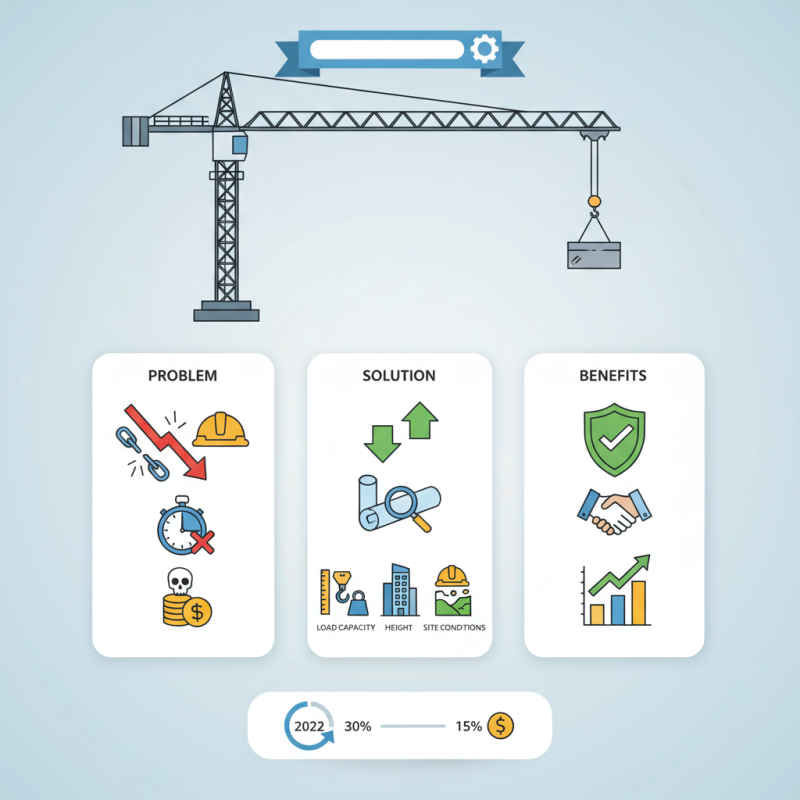
Choosing the right Construction Crane Tower is crucial for project success. A 2022 report by the Global Construction Industry stated that 30% of project delays are due to equipment mismanagement. Selecting the appropriate crane not only affects timelines but also overall project safety and efficiency.

The right tower crane can elevate productivity, while the wrong choice can lead to escalating costs. For instance, a poorly suited Construction Crane Tower might increase the frequency of accidents, impacting both workers and project schedules. According to industry data, incorrect crane selection can add up to 15% to operational costs.

Investing time in understanding crane specifications pays off. Knowing load capacities, height requirements, and site conditions can make all the difference. Each project is unique, and a one-size-fits-all approach rarely works. Reflecting on past experiences can help avoid common pitfalls in crane selection. It's essential to prioritize reliability and expertise in making these vital decisions.
How to Choose the Right Construction Tower Crane for Your Project?

Understanding the Different Types of Construction Tower Cranes Available

When selecting a construction tower crane, it's vital to understand the different types available. There are several common types, each designed for specific tasks. The static tower crane is perfect for larger projects. Its height allows better reach, making it ideal for multi-story buildings. However, it can be difficult to transport and set up.

Another type is the mobile tower crane. This crane is versatile and can be relocated easily. It suits projects with changing layouts but may have a limited lifting capacity compared to static models. It's essential to match the crane type with your project's requirements and site conditions. Consider the load capacities and height restrictions diligently.

Often, project managers overlook maintenance needs. Many cranes require routine checks to ensure safety and performance. Ignoring this can lead to costly downtime. Reflecting on a crane's weight limits is critical; exceeding them can cause accidents. Take the time to evaluate the crane's specifications against your project goals. A thoughtful choice today can save significant trouble later.

Types of Construction Tower Cranes and Their Load Capacities

Evaluating Project Specifications and Requirements for Crane Selection

When selecting a construction tower crane, understanding project specifications is crucial. Start by assessing the height and weight of the materials to be lifted. Different cranes have varying load limits. Knowing these specifics helps in choosing an appropriate crane. Additionally, consider the site layout. Is it crowded? Are there nearby structures? These factors influence crane type and positioning.

Next, think about the crane's reach. What is the distance from the crane to the lifting point? If the work area is expansive, a tower crane with a longer jib may be needed. Also, examine the project's schedule. Will the crane be used continuously or intermittently? This can affect your choice regarding the crane's features and capabilities.

Lastly, evaluate the local regulations and safety standards. Compliance is essential for successful crane operation. Unfortunately, not all contractors prioritize this aspect, leading to potential legal issues. Addressing these considerations thoughtfully is vital for making a well-informed decision. Sensible choices can significantly impact project efficiency and safety.

Assessing Site Conditions and Constraints Impacting Crane Choice

When selecting a construction tower crane, evaluating site conditions is crucial. The crane's effectiveness hinges on its ability to maneuver within the constraints of the environment. Space limitations, height restrictions, and ground stability all play significant roles. If the site is congested, a smaller crane may be necessary. Conversely, open spaces might allow for larger cranes to operate efficiently.

Ground conditions should also be considered. Soft soils or uneven terrain can pose difficulties. Choosing a crane that can adapt to these conditions is vital. You might underestimate this factor, but it can impact the crane's stability and performance. Additionally, access to the site influences crane choice. Limited entry points can restrict crane size and type, affecting overall project timelines.

Consulting with professionals can provide valuable insights. They often have the experience needed to navigate complex site conditions. This expert guidance can lead to better equipment choices. It's essential to reflect on your site's unique constraints to make informed decisions. This process can be complex, but the right crane will enhance construction efficiency and safety.

Analyzing Cost Considerations for Tower Crane Procurement and Operation

When considering tower crane procurement, cost is a pivotal factor. Hidden expenses can arise, such as transportation, installation, and maintenance. Additionally, labor costs may spike during intense construction phases. Understanding the total ownership cost helps in making an informed decision.

Tips for budgeting:

  • Analyze project duration. Longer projects may require more frequent maintenance.
  • Factor in potential delays. They can significantly impact overall costs.
  • Consider rental options versus purchase. Sometimes renting is more cost-effective.
Beyond financial considerations, operational efficiency is crucial. Different cranes serve different needs. An inadequate choice can lead to increased inefficiency or safety issues. Assess the unique requirements of your project before making a selection.

Be mindful of these aspects:

  • Project site conditions can affect crane performance.
  • Ensure proper training for crane operators to avoid costly mistakes.
  • Evaluate if a tower crane's lift capacity aligns with project demands.
By thoughtfully addressing these cost considerations, you enhance project success.

Considering Safety Standards and Regulations in Crane Selection Process

When selecting a construction tower crane, safety standards and regulations play a crucial role. It's not just about choosing the right equipment; understanding compliance can save lives and prevent accidents. Each project requires a crane that meets specific guidelines set by local and national authorities. These regulations ensure that the crane operates efficiently and safely within the project's parameters.

Many project managers overlook the details of safety regulations, assuming their cranes will automatically align with standards. However, this can lead to costly errors and potential hazards. Familiarizing yourself with the Occupational Safety and Health Administration (OSHA) guidelines, for instance, is essential. Proper certification of the crane is also a significant factor. Ignoring these aspects can results in severe consequences and project delays.

It’s important to engage with experts who understand these regulations comprehensively. Training for operators should not be taken lightly either. Even minor lapses in understanding can lead to dangerous situations on-site. Regular safety audits can highlight areas for improvement. Choosing the right crane should always involve a thorough review of all safety aspects. It’s a responsibility that shouldn’t be underestimated.

FAQS

: Why is evaluating site conditions important for crane selection?

: Site conditions affect crane maneuverability. Factors like space, height, and ground stability are crucial for performance.

What ground conditions should I consider?

Soft soils and uneven terrain can hinder crane stability. Choosing an adaptable crane is vital for these situations.

How do access points impact crane choice?

Limited site access restricts crane size and type, which may delay the project timeline. This factor cannot be overlooked.

What hidden costs should I be aware of when procuring a crane?

Transportation, installation, and maintenance costs can add up. Labor costs may also rise during busy construction phases.

How can project duration affect crane costs?

Longer projects typically require more maintenance. This can lead to an increase in overall costs that need consideration.

Is it better to rent or purchase a crane?

Renting may be more cost-effective for some projects. Evaluate your needs closely before making a decision.

Why is operational efficiency important in crane selection?

Different cranes serve specific needs. An inadequate choice may lead to inefficiency or safety issues on site.

How can I ensure proper crane operation?

Proper training for operators is essential. Without it, mistakes can happen and may result in costly consequences.

Should I consider lift capacity when selecting a crane?

Yes, the crane’s lift capacity must match your project's demands. Misalignment can lead to issues during construction.

What role does professional consultation play in crane selection?

Experts provide insights that help navigate complex site conditions. Their guidance can lead to better crane choices.

Conclusion

When selecting a Construction Crane Tower for a project, it is crucial to understand the various types available, as each type has its unique advantages and suitability depending on the project’s scope. Evaluating specific project specifications, such as load capacity and reach, is essential to ensure that the chosen crane can meet the demands of the construction tasks.

Additionally, site conditions and constraints, such as space limitations and ground stability, play a significant role in crane selection. Budget considerations, including costs associated with procurement, operation, and maintenance, must also be assessed to align with financial constraints. Finally, adhering to safety standards and regulations is imperative to protect the workforce and ensure compliance throughout the construction process. Careful analysis of these factors will lead to an informed decision on the most suitable Construction Crane Tower for any construction project.


Sienna

Sienna

Sienna is a skilled marketing professional with a deep expertise in our company’s core products and services. With a passion for innovation and detail, she plays a pivotal role in crafting insightful blog posts that not only highlight the unique features of our offerings but also provide valuable......