Choosing the right Mobile Tower Crane for construction projects is crucial. The global mobile crane market is projected to reach $4.4 billion by 2026, according to a recent market analysis. This emphasizes the growing importance of selecting the right equipment. "Investing in the right Mobile Tower Crane can significantly boost project efficiency," says John Smith, a respected industry expert.
With various models and technologies available, it can be challenging to make the best choice. Each construction site has different needs, including lift height, load capacity, and mobility. Specifications alone don’t tell the whole story; understanding the unique demands of your project is vital. Misjudgments in selection can lead to delays and increased costs.
Safety and reliability are essential factors in choosing a Mobile Tower Crane. Selecting one that meets all safety standards is non-negotiable. A poorly chosen crane can compromise the entire project. Prioritizing these aspects ensures not only compliance but also the protection of workers and assets on site. Balancing budget constraints with operational demands adds another layer of complexity to the decision-making process.
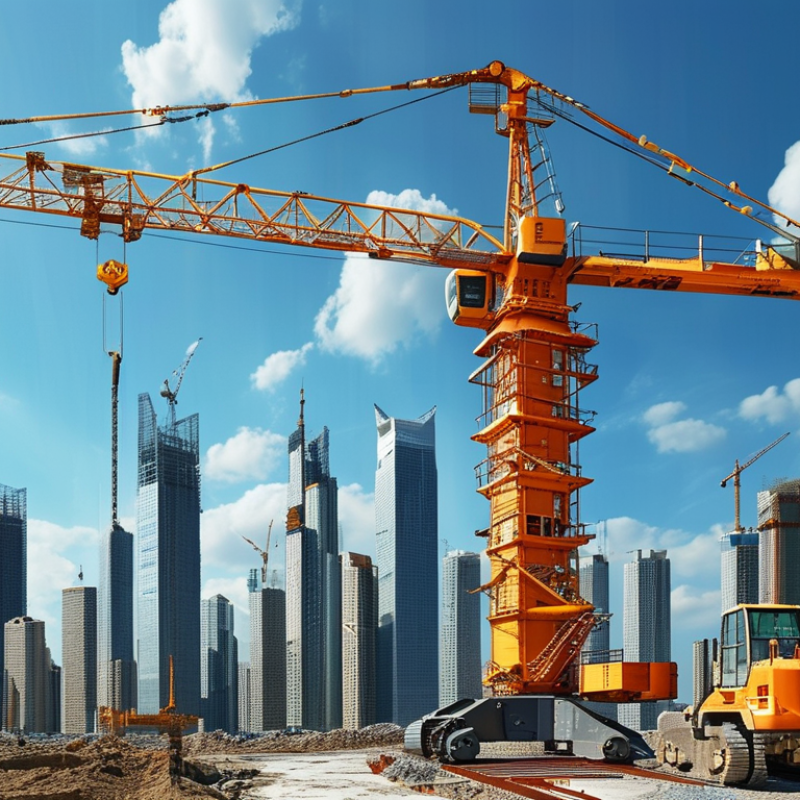
Understanding the Different Types of Mobile Tower Cranes
When selecting a mobile tower crane, understanding the different types is crucial. Mobile tower cranes come in various configurations, each designed for specific lifting requirements. There are standard mobile tower cranes, which are versatile and suitable for various project sizes. They are highly mobile and can be easily moved across construction sites.
Then, there are knuckle boom cranes, known for their flexibility. Their unique design allows them to maneuver in tight spaces, making them ideal for urban projects. However, while they offer excellent reach and articulation, they may not have the lifting capacity of larger models.
Another type is the luffing-jib crane, which is great for projects with height restrictions. It can operate close to buildings without causing obstruction. Choosing the right type requires careful consideration of the project's specific needs. It’s essential to reflect on the site’s layout and the crane’s required reach. Each crane type has its advantages and limitations, and understanding these will guide you toward the best decision.
Evaluating Load Capacity and Reach Requirements for Your Project
When selecting a mobile tower crane, understanding load capacity and reach is crucial. The load capacity defines how much weight the crane can safely lift. For instance, if your project requires lifting steel beams or heavy equipment, you need a crane that meets those specific demands. Each crane has a maximum load limit, and exceeding it can lead to accidents or equipment failure. Assess the materials you will work with to choose an appropriate model.
Reach is another critical factor. It determines how far the crane can extend its boom to reach the site. For tall structures, a longer reach is necessary. However, a crane with extensive reach may struggle in tight spaces. Examine your site layout and any obstructions. Consider the dimensions of your project and ensure the crane can access all areas.
Sometimes, choosing the right crane can feel overwhelming. Each project is unique, and what works for one may not work for another. It may help to consult a professional who can provide insights based on their experience. Understanding your specific load and reach needs will guide you toward making an informed decision.
Assessing Site Conditions and Mobility Needs for Crane Operations
Assessing site conditions is crucial for selecting the right mobile tower crane. The terrain type, ground stability, and surrounding structures all influence this choice. For instance, soft ground may require additional support under the crane's base. Nearby buildings or overhead lines can restrict crane movement. Always evaluate how wind exposure might affect operations, especially in open areas.
Mobility needs are also essential. How will the crane navigate the site? Consider space constraints and access routes. Machines that can maneuver easily in tight areas may be necessary. Additionally, transportation logistics must be factored in. Can the crane be easily transported to and from the site? A project’s timeline can be impacted by inefficient mobility.
Assessing these factors may seem straightforward, but they require careful consideration. Ignoring site dynamics could lead to safety risks. Relying solely on a crane's lifting capacity might overlook these critical aspects. Experienced project managers often recommend involving engineers during the assessment phase. Collaborating with professionals ensures a more reliable outcome.
How to Choose the Best Mobile Tower Crane for Your Project? - Assessing Site Conditions and Mobility Needs for Crane Operations
| Dimension |
Description |
Example Values |
| Maximum Lifting Height |
The tallest height the crane can lift its load. |
50 meters |
| Load Capacity |
The maximum weight the crane can safely lift. |
10 tons |
| Radius |
The horizontal distance from the center of the crane to the load. |
30 meters |
| Mobility Type |
Whether the crane is stationary or mobile. |
Mobile |
| Setup Speed |
How quickly the crane can be assembled and made operational. |
2 hours |
| Site Conditions |
Assessment of ground type and stability where the crane will operate. |
Concrete, stable ground |
| Environmental Considerations |
Factors such as weather, wind limits, and surroundings affecting crane performance. |
Medium winds up to 20 km/h |
Reviewing Safety Features and Compliance Standards in Cranes
When selecting a mobile tower crane, safety features are paramount. These cranes must meet rigorous compliance standards. A thorough understanding of these standards ensures that you prioritize safety on site. Look for cranes equipped with automatic shutdown systems that activate during overload situations. These systems can prevent accidents and protect workers.
Regular inspections are crucial for maintaining safety. Ensure that cranes have up-to-date certification and documentation. Compliance with local regulations is not just a checkbox; it's essential for operational integrity. Be aware that older cranes may not meet today’s safety standards. They might lack modern safety features that enhance reliability.
Always consider the crane's stability features. Outriggers and stabilizers play a vital role in preventing tipping during operation. A crane that is well-designed for stability will perform better in various weather conditions. Relying on outdated models or overlooking safety measures can lead to unnecessary risks. Each detail matters when it comes to crane safety, and a proactive approach can prevent future challenges.
How to Choose the Best Mobile Tower Crane for Your Project?
Comparing Costs and Rental Options for Mobile Tower Cranes
When selecting a mobile tower crane, costs and rental options play a significant role. These cranes can vary widely in price due to size, lifting capacity, and features. Basic models may start at a few thousand dollars for a short-term rental, while more advanced options can exceed tens of thousands. Understanding your project's budget is crucial.
Renting a crane provides flexibility. Some projects may only need a crane for a limited time, making rental an attractive option. However, assess the long-term costs; multiple short-term rentals can add up. Ensure to factor in delivery fees and insurance as well. Ask about maintenance records, as older cranes might have higher upkeep costs.
It's also wise to consult with industry experts. They can offer insights into the best practices for crane selection and project-specific requirements. Not all cranes fit every project; some may perform poorly on uneven terrain. Always evaluate your project's unique demands before finalizing your choice. The balance between cost and functionality should guide your decision.
Conclusion
When selecting the best Mobile Tower Crane for your project, it's essential to understand the various types available and their specific capabilities. Different types of Mobile Tower Cranes offer unique advantages depending on the load capacity and reach requirements for your job site. Evaluating these factors alongside site conditions and the mobility needs for crane operations can significantly impact both efficiency and safety on the job.
Additionally, reviewing the safety features and ensuring compliance with industry standards is crucial. Comparing costs and rental options can also help in making an informed decision that aligns with your budget and project timelines. By carefully considering these aspects, you can choose a Mobile Tower Crane that best meets the demands of your construction project while ensuring safety and cost-effectiveness.

 Dazheng Crane